Why Privacy-First Apps Matter: The Case for Zero Tracking in Digital Wellbeing
September 12, 20258 min readUNDOOMED Team
Privacy

Why Privacy-First Apps Matter: The Case for Zero Tracking in Digital Wellbeing

Understand why privacy matters in wellbeing apps and how zero-tracking protects your digital health.

Imagine you hire a personal trainer. They help you build healthier habits, track your workouts, monitor your nutrition. You trust them with intimate details about your body, your struggles, your goals.

Now imagine discovering that your trainer has been selling detailed reports about your progress to advertisers. Insurance companies know you skipped leg day. Employers know you're struggling with consistency. Marketing firms know you searched for weight loss supplements at 2 AM.

You'd feel betrayed, right? The relationship would be fundamentally broken.

This is exactly what happens with most health, productivity, and digital wellbeing apps. They position themselves as tools to help you, all while collecting, analyzing, and often selling detailed data about your most vulnerable behaviors.

Privacy isn't just a nice-to-have feature. In apps designed to improve your wellbeing, privacy is foundational to trust, and trust is foundational to effectiveness.

Let's talk about why privacy-first design matters, what you're risking with data-hungry apps, and how to identify software that actually respects you.

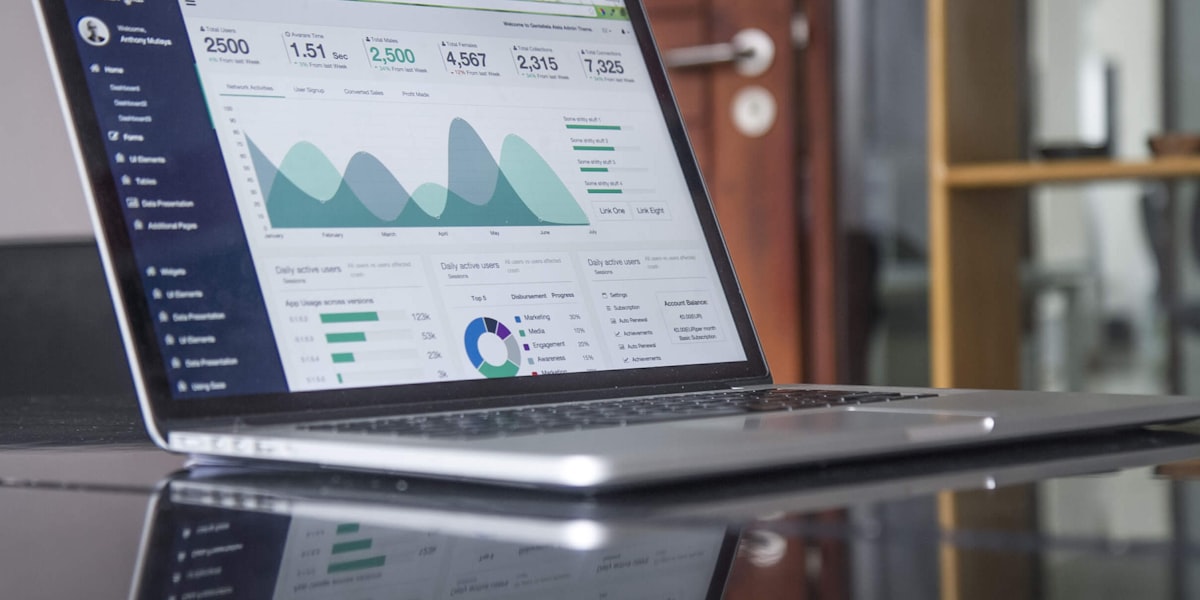
Digital privacy concept showing data tracking surveillance and personal information collection

The Hidden Data Collection in Wellbeing Apps

When you download a meditation app, a habit tracker, a screen time monitor, or a productivity tool, you're often consenting (whether you realize it or not) to extensive data collection.

What's Being Tracked

Most "free" wellbeing apps collect:

Usage data: When you open the app, how long you use it, which features you interact with, frequency of use, and patterns over time.

Behavioral data: Which apps you're trying to limit, when you fail to stick to your goals, your most compulsive behaviors, and times of day you're most vulnerable.

Personal data: Email, phone number, name, device information, location data, contacts, and photo library access.

Health and psychological data: Sleep patterns, stress levels, mood logs, and productivity patterns.

Cross-app data: What other apps you have installed, how you use those apps, and connections between apps and behaviors.

Some of this collection is disclosed in privacy policies that no one reads. Some isn't disclosed at all. And even when disclosed, the implications aren't made clear.

What Happens to Your Data

The data collection would be less concerning if it stayed on your device, used only to power the app's features. But that's rarely what happens.

Sold to data brokers who aggregate it with other information and sell access to marketers, insurers, employers, and others.

Used for targeted advertising within the app and across the internet through ad networks.

Analyzed for product development by the company and sometimes third-party research partners.

Shared with business partners for "legitimate business purposes" (defined loosely).

Stored indefinitely in company databases vulnerable to breaches and hacks.

Subject to law enforcement requests without your knowledge or consent.

Transferred to new owners if the company is acquired (your data is an asset in the sale).

The privacy policy might say data is "anonymized," but research has repeatedly shown that anonymization is often reversible. With enough data points, individuals can be re-identified.

Data broker network illustration showing how personal information gets sold and shared

Why "I Have Nothing to Hide" Doesn't Apply

When discussing privacy, people often say, "I have nothing to hide. I don't care if companies know when I use my phone."

This misses the point in several ways.

You're not hiding—you're maintaining boundaries. Having privacy doesn't mean you're doing something wrong. It means you maintain control over who knows what about you.

You can't predict future use of current data. Data collected today for innocuous purposes might be used tomorrow in ways you can't anticipate.

It's not just about you. Your data reveals information about people in your contact list, people you message, and patterns that expose others.

Wellbeing data is particularly sensitive. Information about your mental health, addictive behaviors, vulnerable moments, and personal struggles isn't equivalent to your shoe size.

You can't consent to what you don't understand. Most people have no idea how much data is collected, what it reveals, or how it's used.

The Specific Risks in Health and Productivity Apps

Data collection in wellbeing apps carries unique risks beyond general privacy concerns.

Health Insurance Discrimination

Several insurance companies have partnered with app developers to offer "wellness discounts" in exchange for data sharing. Sounds positive, right?

Here's the problem: if data shows you're doing well, you might get a discount. If data shows you're struggling, you might face higher premiums or denial of coverage.

Tracking apps that show inconsistent sleep patterns, failed attempts to quit smoking, inability to maintain exercise habits, or mental health struggles could become reasons to deny you coverage or increase costs.

Employment Consequences

Some employers offer "voluntary" wellness programs that integrate with tracking apps. Participation is technically optional but incentivized or subtly mandated.

Data showing poor mental health, lack of productivity, or struggles with addiction could influence promotion decisions, performance reviews, job security, and assignment of responsibilities.

Advertising Manipulation

Apps know when you're most vulnerable. They know you're trying to quit social media, struggling with impulse control, stressed, anxious, or depressed, and searching for self-improvement.

This information is incredibly valuable to advertisers who can target you with "solutions" to problems you're struggling with, exploitative products during vulnerable moments, and messaging designed to trigger your specific psychological patterns.

It's predatory targeting disguised as helpful recommendations.

Targeted advertising manipulation showing predatory marketing based on personal data

UNDOOMED's Zero-Tracking Approach

UNDOOMED was built from the ground up with a privacy-first philosophy. This isn't a marketing claim—it's the architectural foundation of the app.

What Zero-Tracking Means

No usage analytics. UNDOOMED doesn't log when you open the app, how long you use it, or which features you interact with.

No behavioral data collection. We don't track which apps you block, when you block them, or patterns in your blocking behavior.

No account required. You don't create an account. You don't provide an email. There's no user profile, no password to manage, no way to "log in" because there's nothing to log into.

No cloud sync. Your settings stay on your device. They're never uploaded to our servers because we don't have servers collecting user data.

No third-party analytics. No Google Analytics, no Facebook SDK, no tracking tools from ad networks or data brokers.

No advertising. We don't show ads, which means we have no incentive to collect data for ad targeting.

No data to breach. If we're hacked, there's no user data to steal because we never collected it in the first place.

The Business Model Question

You might wonder: "If they're not selling data or showing ads, how do they make money?"

Simple: you pay for the app.

UNDOOMED is a paid app. You pay once (or via subscription), you get the tool, and that's the entire transaction. No hidden business model, no monetizing your data, no bait-and-switch.

This is how software used to work before surveillance capitalism became the default. And it's how privacy-respecting software still works.

Why This Matters for Effectiveness

Privacy isn't just ethically right—it makes UNDOOMED more effective.

You can be honest. Block the apps you're actually addicted to without worrying about judgment or consequences.

No dashboard obsession. The app doesn't encourage compulsive checking of stats because there are no detailed stats to check.

Trust in the tool. You're not using one manipulative system to escape another. The relationship is clean: you tell UNDOOMED what to block, it blocks it, end of story.

No conflict of interest. We succeed when the app works for you, not when we collect and monetize your data.

Take Action: Audit Your Apps

Ready to prioritize privacy? Start with an audit of your current apps, especially in sensitive categories.

List your health and wellbeing apps: fitness trackers, meditation apps, habit trackers, screen time monitors, sleep trackers, mental health apps, and productivity tools.

For each app, check if it's free or paid, whether it requires an account, what permissions it has requested, whether it shows detailed analytics dashboards, and if you can find its privacy policy.

Read the privacy policies or summaries. Look for what data is collected, how it's used, who it's shared with, and whether you can delete it.

Evaluate each app based on whether it's collecting more data than necessary, whether you're comfortable with how the data is used, and whether there are privacy-first alternatives.

Make changes: delete apps that fail your privacy standards, replace them with privacy-first alternatives where possible, and adjust permissions on apps you're keeping.

The Bottom Line

Privacy in digital wellbeing apps isn't a luxury feature. It's fundamental.

You can't build trust with a tool that's surveilling you. You can't be honest with an app that's selling your data. You can't achieve wellbeing through software that's itself exploitative.

Privacy-first design—like UNDOOMED's zero-tracking approach—respects your autonomy, protects your data, and focuses the tool on its actual purpose: helping you, not extracting value from you.

When you choose privacy-first apps, you're voting with your wallet for a different kind of technology future. One where software serves users, not advertisers. Companies make money by providing value, not by exploiting data. Your most intimate behaviors aren't commodified. Trust is built on transparency, not buried in unreadable terms of service.

This future is possible. It requires each of us to make different choices about which apps we use and which companies we support.

Choose apps that respect you. Choose privacy. Choose UNDOOMED.

Your data is yours. Guard it carefully.

Share this article

Ready to Stop Doomscrolling?

Join thousands who have reclaimed their time

54+
Filters
6
Platforms
100%
Private
0
Tracking